What Locals Know About Surviving Cape Breton Highlands Winters (That Tourists Never Learn)

Most people think winter in Cape Breton Highlands is something to endure—a months-long trial of snow and isolation until the tourists return. That's the misconception outsiders bring when they pass through on the Cabot Trail in summer, snap their photos, and imagine our communities hibernating until spring. But anyone who's actually lived through a January in Cheticamp or spent a February morning scraping ice off their windshield in Pleasant Bay knows the truth: winter here isn't something we survive—it's a season we understand, prepare for, and sometimes even appreciate. The difference between struggling and thriving during our coldest months comes down to local knowledge passed between neighbors, not found in any travel guide.
Why Do Cape Breton Highlands Residents Stock Up Before the First Snow?
If you're new to the Highlands—or you've only visited during peak foliage season—you might wonder why locals start preparing for winter in early October. We aren't being dramatic. We're being practical.
The Cape Breton Highlands region receives some of the heaviest snowfall in Nova Scotia, with elevations in the national park seeing upwards of 400 centimeters annually. But it's not just the quantity—it's the unpredictability. A forecast calling for "light flurries" can quickly become a whiteout that closes Highway 19 for hours. That's why we keep pantries stocked, wood piles high, and emergency kits in our vehicles before the first frost.
Local hardware stores in Cheticamp and Ingonish know their regulars by name come October. They'll tell you which snowblowers can handle the wet, heavy stuff that rolls in off the Gulf of St. Lawrence versus the lighter powder that comes from the interior. They'll remind you that gravel driveways freeze differently than paved ones—and that sand, not just salt, belongs in your trunk.
There's also an unspoken community protocol: check on your neighbors. When the power goes out—which it does, especially in more remote pockets near Meat Cove or Bay St. Lawrence—we don't wait for official help. We knock on doors, share generators, and make sure the elderly folks on our road have enough propane for their heaters. It's not charity; it's community maintenance.
Where Do Locals Actually Go When the Tourist Spots Close?
Here's something the summer crowds never see: Cape Breton Highlands doesn't shut down in winter—it shifts. The restaurants along the Cabot Trail that cater to visitors might reduce their hours, but the places where locals gather stay busy year-round.
Le Gabriel Restaurant & Lounge in Cheticamp keeps its doors open through the worst storms, serving comfort food that makes sense when the wind is howling outside. Their seafood chowder isn't a novelty—it's what fishermen eat after hauling gear in freezing rain. The Chowder House in Neil's Harbour might scale back to lunch service only, but locals know that's when to show up for the freshest catch, pulled from waters that never warm up enough to soften the flavor.
For everyday needs, Cheticamp Save-Easy and the Ingonish Co-op become community hubs. You don't just shop there—you get updates. Who's plowed out which road, which ferry to Newfoundland is running on schedule (or not), whose cousin needs help with a downed tree. The cashiers know which families hunt moose and which ones need venison but don't have tags. Information flows through these spaces like the warm air from the heating vents.
And when we need to get out of the house? The Cheticamp Sports Centre hosts community events, pickup hockey games, and seniors' gatherings that keep social connections alive when the darkness falls at 4:30 PM. It's not fancy, but it's warm—and more importantly, it's ours.
How Do We Keep Our Vehicles Running When Temperatures Drop?
Car culture in Cape Breton Highlands isn't about status symbols—it's about survival. Anyone driving a rear-wheel-drive sedan through a Highlands January is either new here or has a death wish.
We keep block heaters plugged in. We know which stretches of the Cabot Trail ice over first (the shaded curves near MacDonalds Mountain) and which gas stations stay open when the weather turns. MacLeod's Service Station in Cheticamp has pulled more vehicles out of ditches than the official tow trucks—sometimes for free, especially if you're local and it's the third storm this month.
There's also the unwritten rule about tires. All-seasons don't count as "all seasons" here. Winter tires aren't optional equipment—they're necessary infrastructure. The hills between Pleasant Bay and Capstick will humble anyone who thinks otherwise. Local mechanics won't even let you leave their shops without proper rubber if they know where you're headed.
Battery maintenance becomes a religion. We check terminals, we carry jumper cables, and we know which neighbors have booster packs charged and ready. When your car won't start at -20°C and the nearest warm building is a twenty-minute walk, you learn fast which preparations matter and which are just wishful thinking.
What Makes Winter Life in the Highlands Worth the Hassle?
It would be easier to list the frustrations—and believe me, we complain about them. The ice dams that back up into attics. The propane bills that arrive in March. The way snowplows seem to time their passes exactly when you're trying to back out of your driveway.
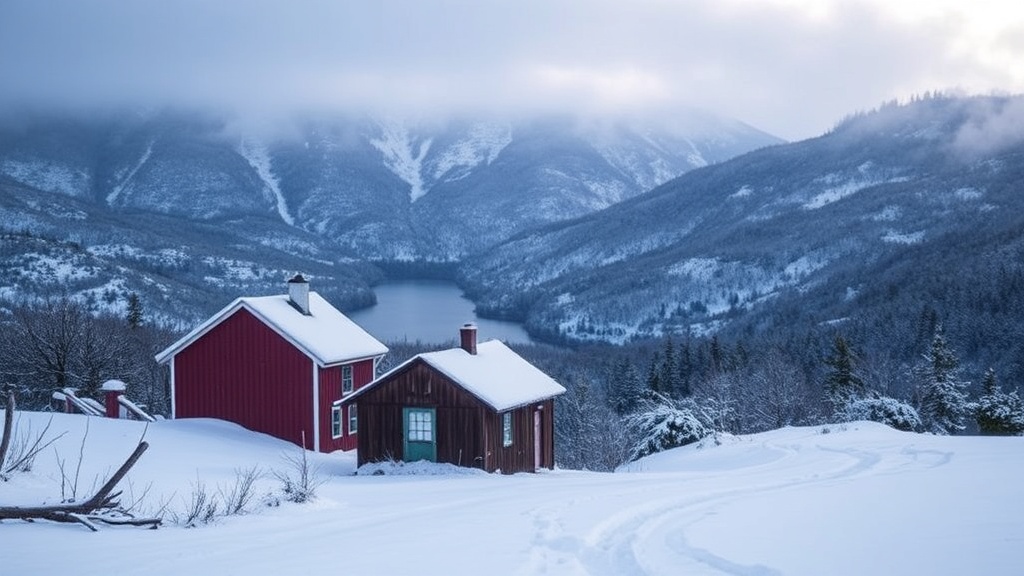
But there's a quiet beauty to Cape Breton Highlands in winter that you can't access any other way. The Cape Breton Highlands National Park—which swarms with visitors in summer—becomes something closer to wilderness. Snowshoe trails that were crowded in October become solitary paths where the only sound is your breath and the creak of snow-laden spruce branches. The lookouts over the Gulf of St. Lawrence offer views unobstructed by tour buses or selfie sticks.
We get spectacular clear nights when the Milky Way stretches from horizon to horizon—no light pollution competing for attention. The northern lights occasionally make appearances, painting the sky in colors that no photograph captures accurately. These moments aren't curated experiences for tourists; they're just Tuesday evenings when the cloud cover breaks.
There's also a slowed-down rhythm that winter enforces. Without the constant churn of summer visitors, we have time for the things that got crowded out: repairing equipment before next season, visiting relatives we haven't seen since the fall fisheries, attending community suppers at the Cheticamp Legion where the music starts late and goes later.
How Can Newcomers Learn to Thrive Instead of Just Survive?
If you've recently moved to Cape Breton Highlands—maybe you bought one of the properties that became available as younger generations moved west for work—winter can feel overwhelming. The isolation is real, especially if you're used to city conveniences. But there's a learning curve, and locals generally want to help you climb it.
First: listen more than you talk at the feed store or the coffee shop. People here are friendly but reserved with newcomers until they see you're staying through the hard months. Second winter still counts—you haven't proven anything after one mild season.
Invest in proper gear, not just fashionable gear. The Highland Public Library in Cheticamp sometimes hosts winter preparedness workshops, and the staff at Parks Canada visitor centers—yes, they stay open—can point you toward resources for backcountry safety.
Join something. The Cheticamp Snowmobile Club maintains trails that connect communities when roads become impassable. The volunteer fire departments in Belle Côte and Capstick always need help. These aren't just organizations—they're how information spreads, how you learn which roads are safe after a storm, how you become someone who gets checked on rather than someone who has to ask for help.
Most importantly, adjust your expectations. Things will be cancelled. Deliveries will be delayed. The internet—already spotty in some areas—will fail when ice weighs down the lines. Winter in Cape Breton Highlands teaches patience or it teaches you to leave. Those of us who stay have learned that there's a difference between discomfort and danger, between inconvenience and crisis.
When the snow finally melts and the mud season begins its messy transition into spring, we don't forget the winter. We start preparing for the next one. Because living in Cape Breton Highlands means accepting that the land shapes our lives more than we shape the land—and finding a way to live well within those terms.