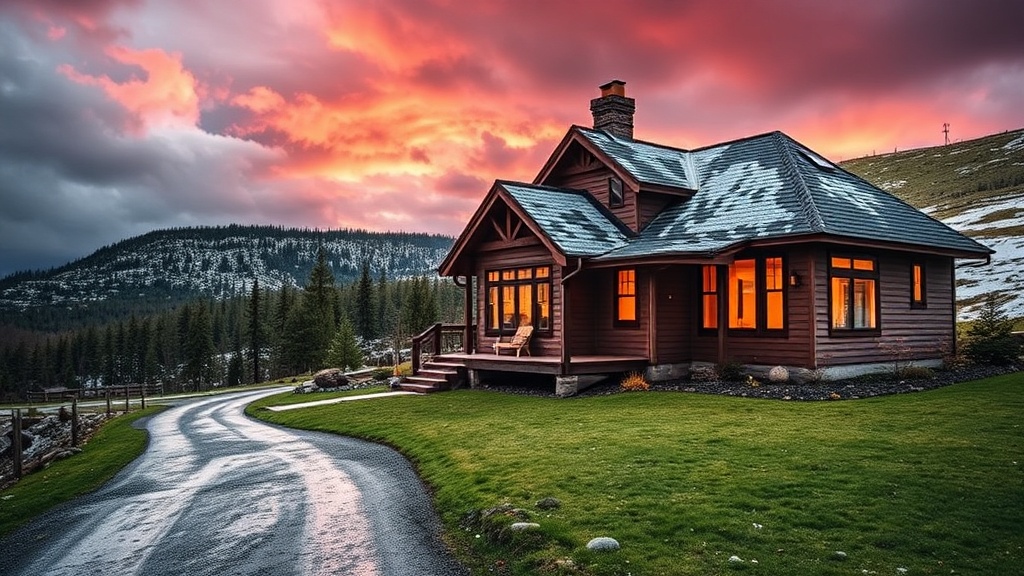
Preparing Your Cape Breton Highlands Property for Local Storm Seasons

This guide details the specific steps residents must take to protect their homes and properties against the unique weather patterns seen across the Cape Breton Highlands. We'll cover seasonal maintenance, local structural vulnerabilities, and how to manage the aftermath of heavy snow or high winds common to our area.
Living in the Cape Breton Highlands means we don't just deal with a little rain—we deal with unpredictable shifts that can test a building's integrity. Whether you're in a coastal area or closer to the higher elevations of the Highlands, the wind and salt spray are constant factors. If you haven't checked your roof or your drainage systems lately, you might be asking for trouble when the next big storm rolls in from the Atlantic.
Where can I find local weather alerts for the Cape Breton Highlands?
One of the first things we need to do is ensure we're getting the right information. Relying on national news isn't enough when you're living in the Cape Breton Highlands; you need hyper-local data. We recommend keeping a close eye on the Environment and Climate Change Canada alerts specifically for the Atlantic region. Local radio stations also provide real-time updates that are much more relevant to our specific microclimates. Knowing when a high-wind warning is active allows us to secure loose items on our decks or in our yards before the damage starts.
In our community, we've seen how a single storm can strip shingles or blow down fences. It's not just about the wind; it's about the moisture levels. In the Cape Breton Highlands, the salt air can accelerate the corrosion of metal hardware on your gates or even your siding. We suggest doing a walk-around of your property every few months to look for signs of rust or loosening fasteners. It's a simple task, but it saves a lot of headache later.
How do I secure my outdoor structures before a storm hits?
When the wind picks up in the Cape Breton Highlands, anything not bolted down becomes a projectile. We've all seen what a stray piece of patio furniture can do to a neighbor's window. Before a predicted storm, move lighter items like garden chairs, small tables, or even lightweight planters into a shed or a garage. If you have a larger deck or a gazebo, ensure the legs are properly secured or that the canopy is removed entirely. This isn't just about your property—it's about being a good neighbor and keeping our streets safe.
If you're living near the more rugged parts of the Cape Breton Highlands, you'll notice that even small structures like sheds can shift during heavy wind events. We recommend using heavy-duty anchors for any outbuildings. Check your shed's foundation frequently. If the ground has become soft due to heavy rain, you'll want to ensure your structures are still level and stable. A small investment in a few more anchors now prevents a total loss later.
What are the best ways to manage snow and ice on my property?
Snow management in the Cape Breton Highlands isn't just about shoveling a walkway; it's about preventing structural damage to your home. When the snow piles up against your foundation, it can lead to moisture seepage or even basement flooding during the spring thaw. Always keep a clear perimeter around your house. If you have a large driveway, ensure your snow removal tools are ready well before the first real flurry hits. We often see people waiting until the storm is actually happening to realize their shovel is broken or their salt spreader is empty.
One thing we see often in the Cape Breton Highlands is ice buildup on gutters and downspouts. If your gutters are clogged with debris or ice, the melting water can overflow and freeze on your walkways, creating a massive slipping hazard. We suggest cleaning your gutters every autumn to ensure they are clear for the winter months. A clear drainage system is your first line of defense against ice-related accidents on your property. You can find more general information about property maintenance and safety through the Public Health Agency of Canada website, which often discusses seasonal safety.
A Checklist for Cape Breton Highlands Homeowners
To keep things simple, we've put together a quick checklist you can use as the seasons change in the Cape Breton Highlands:
- Spring: Check for any winter damage to siding; clear out any debris from the yard; inspect window seals.
- Summer: Inspect decks for stability; ensure garden structures are secure against sudden summer storms.
- Autumn: Fall: Clean gutters thoroughly; store all outdoor furniture; check that your generator (if you have one) is fueled and ready.
- Winter: Clear snow away from foundations; check for ice buildup on stairs and walkways; monitor for heavy snow loads on roofs.
Maintaining a home in the Cape Breton Highlands requires a proactive mindset. We don't wait for the storm to arrive; we prepare for it. By staying aware of our local weather patterns and being diligent with our property maintenance, we can ensure our homes remain safe and sturdy regardless of what the Atlantic throws our way.