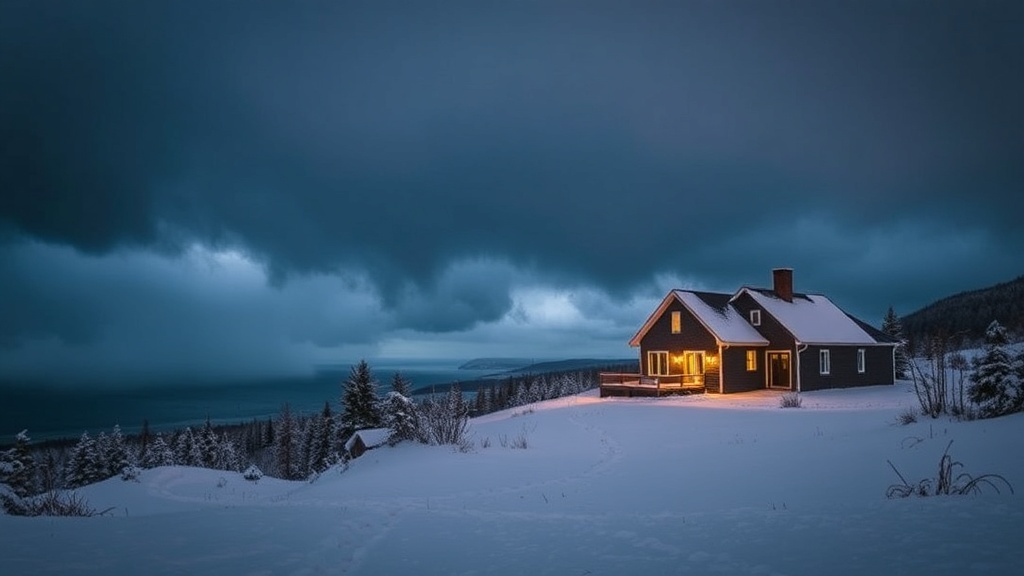
Managing Your Cape Breton Highlands Property During Winter Storms

Did you know that wind speeds during a typical Atlantic winter storm can reach over 100 km/h in parts of the Cape Breton Highlands? This isn't just a statistic; it's a reality for many of us living in our local neighborhoods. When the weather turns, the way we maintain our properties directly impacts our safety and the stability of our local infrastructure. This guide covers the practical, hands-on steps every resident should take to protect their home and yard from the heavy snow and high winds that define our Cape Breton Highlands winters.
How do I protect my yard and outdoor structures in the Cape Breton Highlands?
Living in the Cape Breton Highlands means we aren't just dealing with snow—we're dealing with heavy, wet snow and biting wind. Before the first big storm hits, we need to secure anything that isn't bolted down. If you have patio furniture or lightweight garden ornaments, move them into a shed or a garage. Leaving them out can cause damage to your siding or even break a window if they get tossed by a gust. We've seen many neighbors in the Cape Breton Highlands struggle with broken fences because of unsecured heavy items during high-wind events.
Check your gutters and downspouts too. If they're clogged with debris, ice will build up and could cause damage to your roofline. It's a good idea to keep an eye on the drainage around your home to ensure melting snow doesn't flood your basement or your neighbor's yard. Our community relies on everyone doing their part to manage runoff during the spring thaw as well. If you have large trees on your property, keep a close watch on dead branches that might fall during a storm. It's better to trim them now than to deal with a broken branch or a blocked driveway later.
Where can I find local tools for snow removal and ice management?
When the snow starts piling up, you'll want to have your gear ready before the storm hits. Most of us in the Cape Breton Highlands know that a standard shovel might not cut it when a blizzard rolls in. Having a sturdy snowblower or a heavy-duty shovel is a necessity. If you're looking for supplies, local hardware stores and community centers often have the right equipment for our specific climate. You might also want to stock up on ice melt, but please remember to use products that are safe for our local environment and won't damage the pavement or harm local pets.
We often recommend checking with the local municipal office for any updates on road closures or salt application schedules. While the municipality handles the main roads, we are often responsible for our own-driveways and sidewalks. Keeping your walkway clear isn't just about convenience; it's a matter of safety for your neighbors and anyone walking through our Cape Breton Highlands neighborhoods. A quick tip: keep a bag of sand or salt near your door so you're never caught off guard by a sudden freeze.
How can I keep my heating systems running smoothly?
One of the biggest concerns for us during a Cape Breton Highlands winter is power outages. If you rely on an electric heat pump or an oil furnace, make sure your fuel levels are topped up well before the heavy snow arrives. It's smart to have a backup plan, whether that's a generator or extra blankets and wood for a fireplace. We've learned the hard way that a sudden drop in temperature can affect how well your system operates. Check your vents and ensure they aren't blocked by snowdrifts, which can prevent your heater from working effectively and even cause safety issues.
Always keep an eye on the official weather updates from Environment Canada to stay ahead of incoming fronts. Knowing when a storm is coming allows you to prepare your heating system and your home interior accordingly. For example, closing your curtains at night can help retain heat within your living spaces. This small step can make a big difference in keeping your home comfortable when the temperature drops in the Cape Breton Highlands.
| Item | Action Needed | Timing |
|---|---|---|
| Patio Furniture | Store in shed/garage | Before first frost |
| Gutters | Clean out debris | Autumn/Pre-storm |
| Heating Fuel | Check/Refill levels | Late Autumn |
| Snow Tools | Inspect and test | Early Season |
Finally, don't forget to check in on your neighbors. In the Cape Breton Highlands, we look out for one another. If you see an elderly neighbor struggling with their driveway or if you notice a fallen limb near their property, reach out. Community resilience starts with these small, everyday actions. Whether it's sharing a tip about a reliable local repair service or helping clear a path, our strength lies in our ability to support each other through the long winter months.