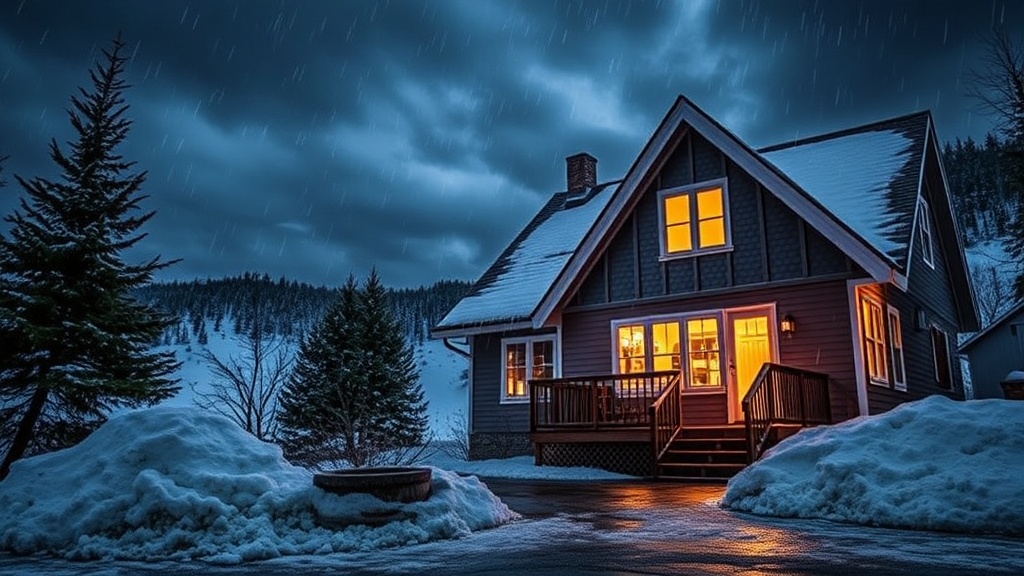
Getting Your Home Ready for Cape Breton Highlands Storm Season

Imagine it's a Tuesday evening in late October. You're sitting in your living room when the wind starts rattling the window frames—that familiar, low-frequency howl that tells us a real Atlantic system is rolling into the Cape Breton Highlands. Before you even check the weather report, you realize your gutters are overflowing with maple leaves and your backyard shed door isn't latched tight. This isn't just about a little rain; it's about the specific, heavy-hitting weather patterns that hit our corner of the world. Living in the Cape Breton Highlands means we don't just watch the weather; we prepare for it. This guide covers the practical, unglamorous steps every resident should take to protect their property before the heavy swells and high winds arrive.
We see it every year. The transition from autumn to winter in the Cape Breton Highlands can be brutal on residential structures. Whether you are living near the coast or tucked further inland, the physical stress on your house—from wind pressure to sudden temperature drops—is real. We need to be proactive about maintenance to avoid costly repairs when the storm-force winds actually hit.
Where do I start with outdoor maintenance?
The first thing you should look at is your perimeter. In the Cape Breton Highlands, the wind doesn't just blow; it pushes. If you have loose siding or loose shingles, that wind will find a way in. Check your gutters and downspouts immediately. If they are clogged with debris, water will back up under your roofline or pool near your foundation, which is the last thing you want during a heavy rainfall event. We recommend checking your drainage to ensure water is being directed away from your home's base.
Next, look at your trees. We have a lot of beautiful, mature canopy in our community, but a heavy windstorm can turn a beautiful oak into a liability. If you see dead branches or limbs that look leaning or unstable, get them cleared out. You can check the Cape Breton Highlands Municipal website for local regulations regarding tree removal if they are near power lines or public pathways. It's much better to deal with a tree service in September than to deal with a fallen limb on your roof in November.
How can I protect my windows and doors?
The Cape Breton Highlands weather often brings driving rain and salt spray. If your window seals are aged or cracked, moisture will seep in, leading to mold or even structural rot. Check the caulking around your window frames and door jambs. If it's peeling or brittle, scrape it out and apply fresh, high-quality exterior sealant. This is a small task, but it makes a massive difference in keeping your heating bills down and your house dry.
Also, don't forget your door sweeps. If you can see light under your front door, you're losing heat and letting in moisture. Replacing a door sweep is a cheap, five-minute job that keeps the Cape Breton Highlands chill at bay. It's also a way to keep the bugs out during those weirdly warm, wet autumn weeks.
What should I do about my backyard and outbuildings?
If you have a shed, a gazebo, or even a heavy patio set, you need to secure it. In the Cape Breton Highlands, a gust of wind can turn a lightweight patio chair into a projectile. Ensure all loose items are either moved into a garage or tied down securely. For larger structures like sheds, ensure they are anchored well. If your shed is sitting on a temporary base, it might not survive the seasonal shifting of the ground.
Check your fence lines too. If you have a wooden fence, check for rot at the base of the posts. A storm can easily knock over a weakened fence. We've seen many neighbors dealing with the aftermath of wind damage simply because a post wasn't deep enough or had decayed over the summer.
A Quick Checklist for Cape Breton Highlands Residents
To make it easier, we've put together a quick list of things to check before the first big storm hits our area:
- Gutter Cleaning: Clear all leaves and debris to prevent ice damming.
- Window Seals: Inspect caulking and replace any that is cracked or missing.
- Loose Objects: Secure patio furniture, garden tools, and trash bins.
- Drainage: Ensure ground slopes away from your foundation.
- Lighting: Check that outdoor lights and motion sensors are working for dark, stormy evenings.
If you're unsure about any of these tasks, especially electrical or high-altitude work, don't be afraid to ask a neighbor or call a local professional. We're a community that looks out for one another, and part of that is being prepared for the weather we all know is coming. Staying ahead of the season ensures that when the wind starts howling through the Cape Breton Highlands, you're actually safe and warm inside.